Reclaiming Resilience: Moving Beyond a Standard to Be Met
Oct 07, 2026By Nyla Howell
“We have to build more resilient communities.”
When talking about community dynamics, resilience comes up frequently as a framework. It's something I encountered while interning with a disaster management agency and then later through the lens of disaster research.
In both disaster research and disaster management, one of the core goals is to help communities, typically Black and brown communities, become "more resilient." More recently, the discourse has prioritized not just the desire for communities to return to their original state after a disaster but also the need for them to "bounce forward." Resilience has been defined as a standard that must be met to reduce human suffering during future disasters.
I know that this concept and work is coming from a place of goodness. However, as I've grown in my career and my passion for working with Black communities, these spaces and conversations have left me asking whether this conceptualization of resilience reproduces narratives of lack about Black and brown communities. Is resilience really something there's a deficit of in these communities, something that must be built up or replenished?
I have also asked whether disaster managers and researchers are considering that the continued existence of Black and brown communities speaks to a history of resilience that predates the concept of resilience itself.
During my internship with Green The Church, I have seen how Black communities and the Black Church are not only engaging in climate resilience work, but reclaiming and redefining the term "resilience" as a whole.
Resilience Means Showing Up for One Another Well Before Any Disaster Occurs
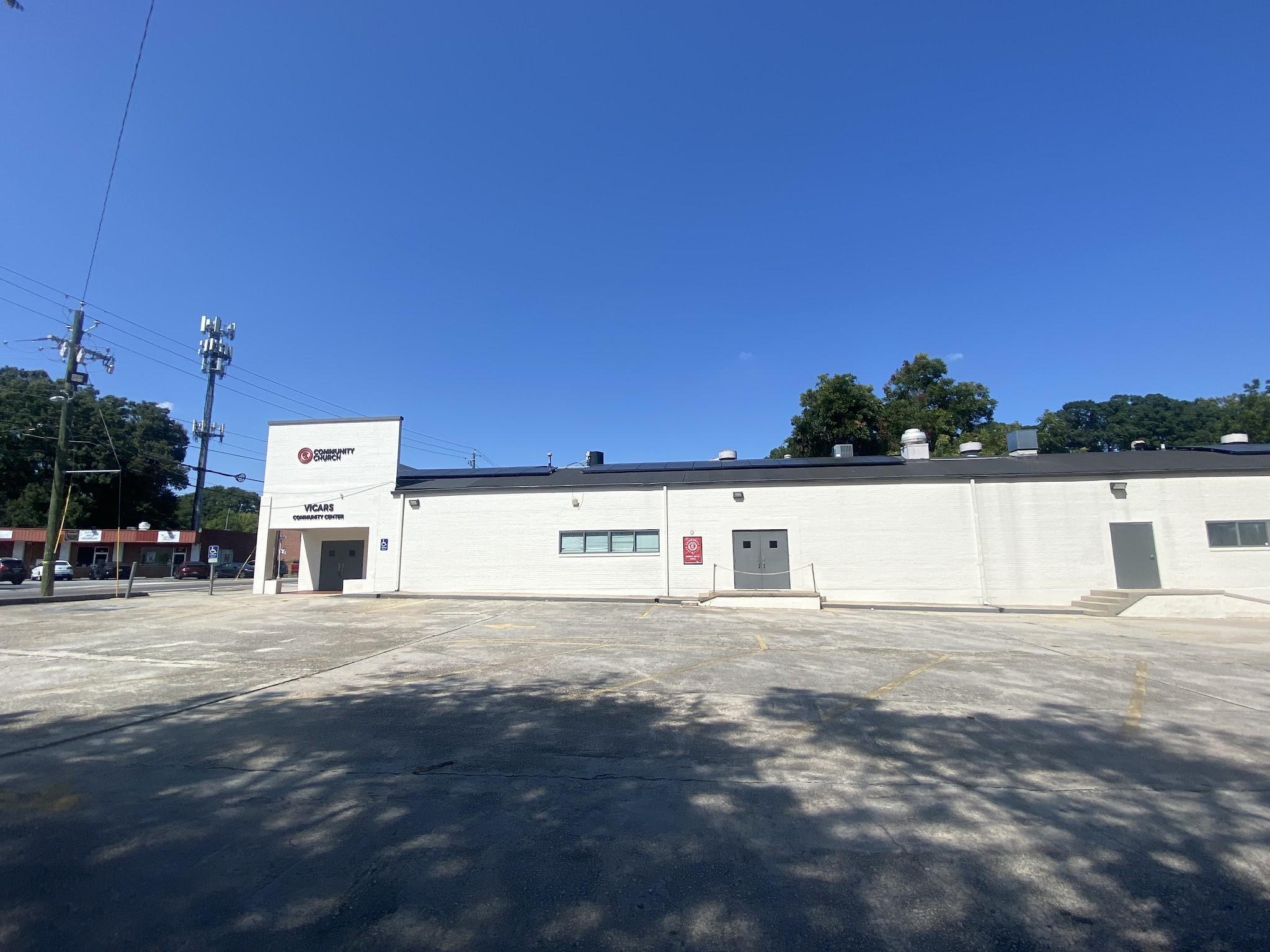
Vicars Community Resilience Hub (Nyla Howell)
Both Atlanta, GA and the GTC Georgia climate justice space have continued to grow over the past several years. From the 2025 National GTC Summit to the Vicars Community Resilience Hub, Atlanta's Black Churches and communities have become publicly engaged in climate justice work by creating resilience hubs.
I had the pleasure of doing a site visit in Atlanta, where I was hosted by Dr. Erica Holloman-Hill, the Georgia State Field Director, and Keona Graves, the Atlanta Administrative Associate. Through spending time with GTC staff, meeting the Georgians Organized to Survive and Thrive (GOST) Resilience tour partners, and seeing the different participating churches in the West Side resilience corridor, it became abundantly clear that Black Churches and the communities they serve are engaged in creating their own standards and solutions to reduce human suffering during disasters.
The Black Church holds a very unique position to contest popular conceptions of resilience and what it looks like in practice for a couple of reasons. First, we are committed to honoring the history of oppression and resistance among Black people in this country and across the diaspora. This history has been ever-present in our spaces and theology, yet it's often been ignored by researchers and disaster managers.
Therefore, when we're thinking about resilience within the community, it is not being defined from a position of lack but of remembering what we have already been through and how we are already surviving.
Secondly, the theology of the Black Church is rooted in the resilient and faithful love of Christ. That transformative love drives us to advocate for our neighbors and for them to be treated with human dignity. With this in mind, resilience goes beyond helping communities bounce back and bounce forward.
Resilience Can (And Should) Look Like People Recommitting to Their Community Every Day
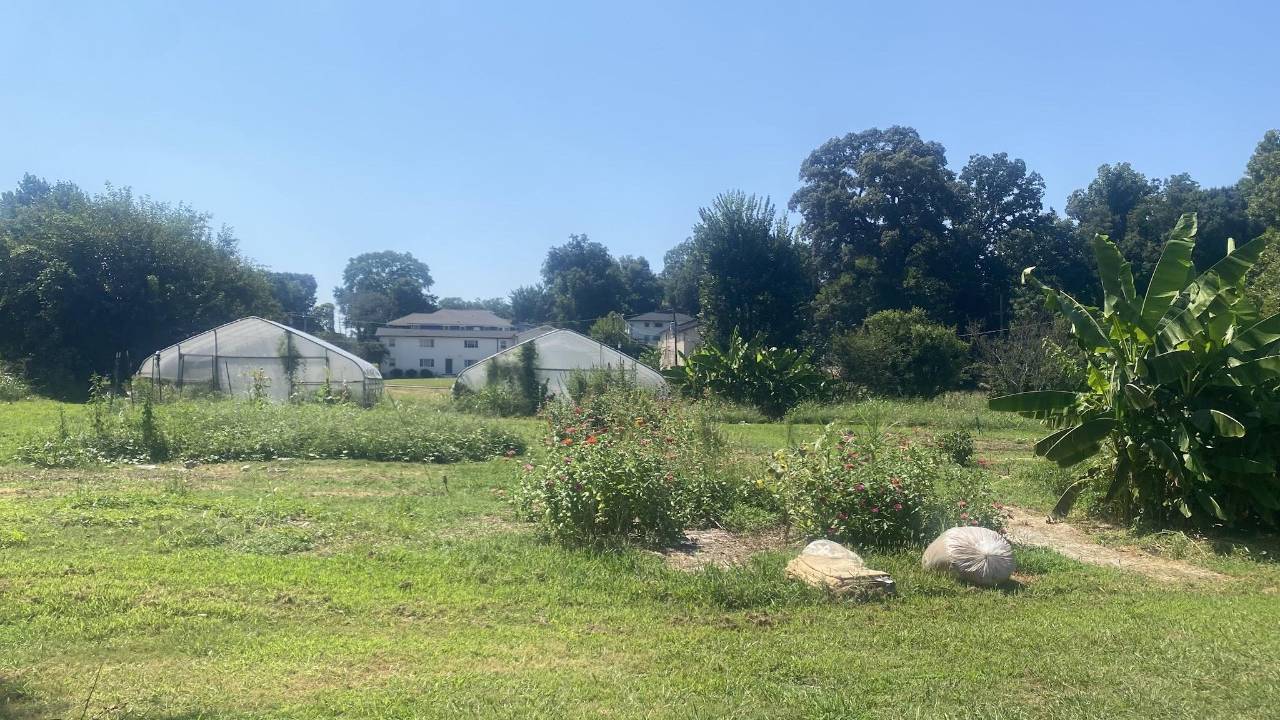
Community Garden and Greenhouses at a West Side Resilience Corridor Church (Nyla Howell)
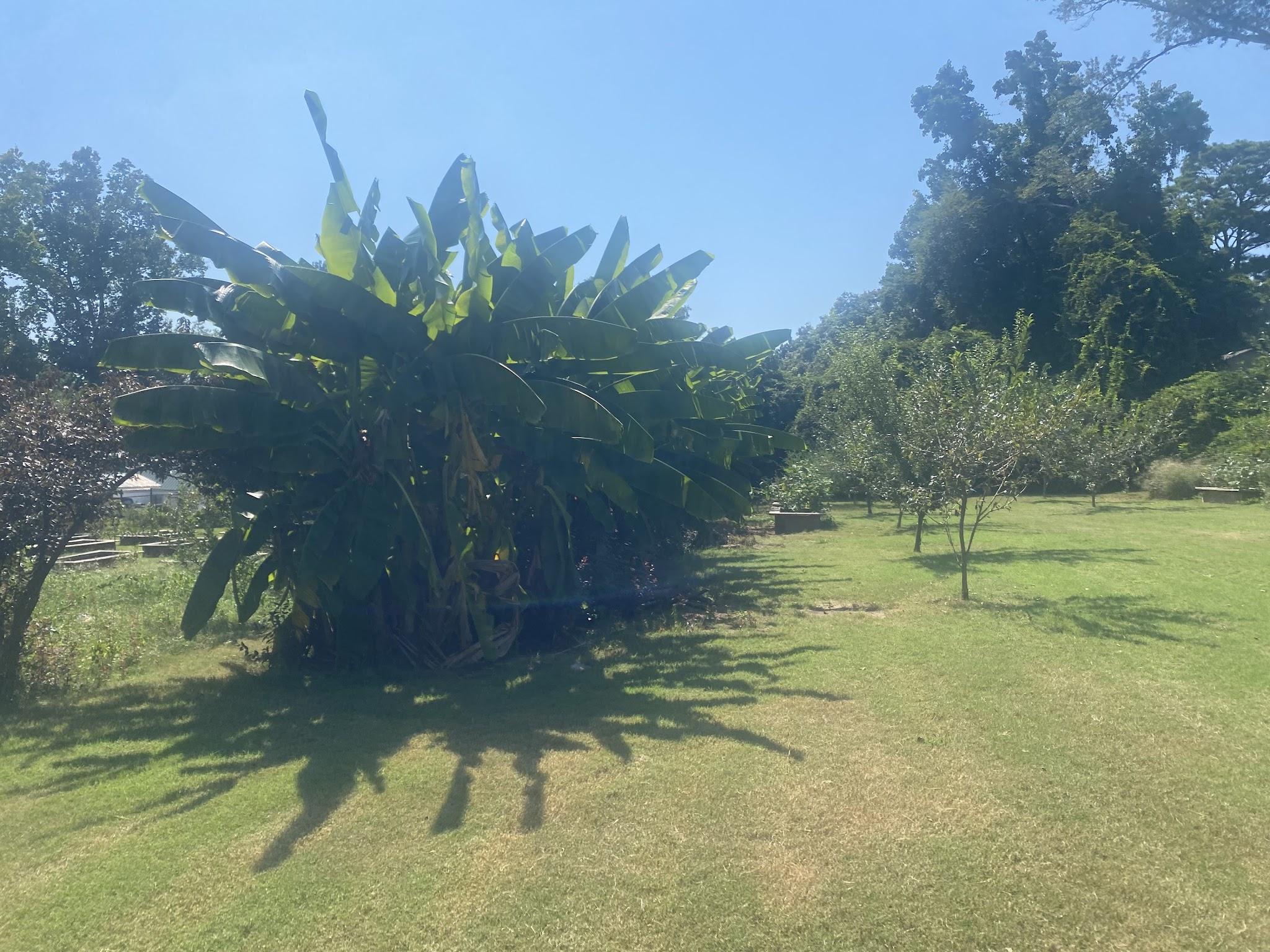
My time in Atlanta showed me that resilience is more than disaster preparedness or a standard to be met. Resilience brings together community gardens, the production of organic food and products, organizing around public service commission elections, and helping people learn about renewable energy.
It also looked like building a collaborative space and community with interfaith and secular partners, private companies, and small businesses.
It looked like people helping each other unload and pack up one another's cars after a tabling event.
Engaging the next generation and building meaningful relationships was resilience work. It looked like building coalitions and solidarity among different denominations to help their community prepare for severe weather and power outages.
Resilience looked like critiquing gentrification and displacement, grieving what was while still holding on to a hope for a better future.
Resilience is about rehumanizing all people and building communities that meet people where they are and center justice.
Expanding on the Resilience We've Already Built to Bring a Brighter Future
The concept of resilience is being redefined by Black people and the Black Church as community, sharing knowledge and solidarity. It doesn't come in a one-size-fits-all program. It acknowledges where we've come from, where we're at, and where we're going simultaneously.
It is people-centered; it is love-centered.
It does not assume a lack, but instead sees everyone as producers of knowledge from whom everyone could learn.
It is this conceptualization of resilience that I am using to shape my internship at GTC, my dissertation, and my own practice work around resilience hubs. This framework doesn’t call churches and clergy to meet a specific standard, but rather to be committed to coming together and learning alongside each other.
This instinct to join as community in both body and spirit speaks to our rich history, but it also represents the shared faith that has grounded us from generation to generation …and that will keep us moving forward.
Header image: Community Garden and Greenhouses at a West Side Resilience Corridor Church (Nyla Howell)
About Nyla Howell
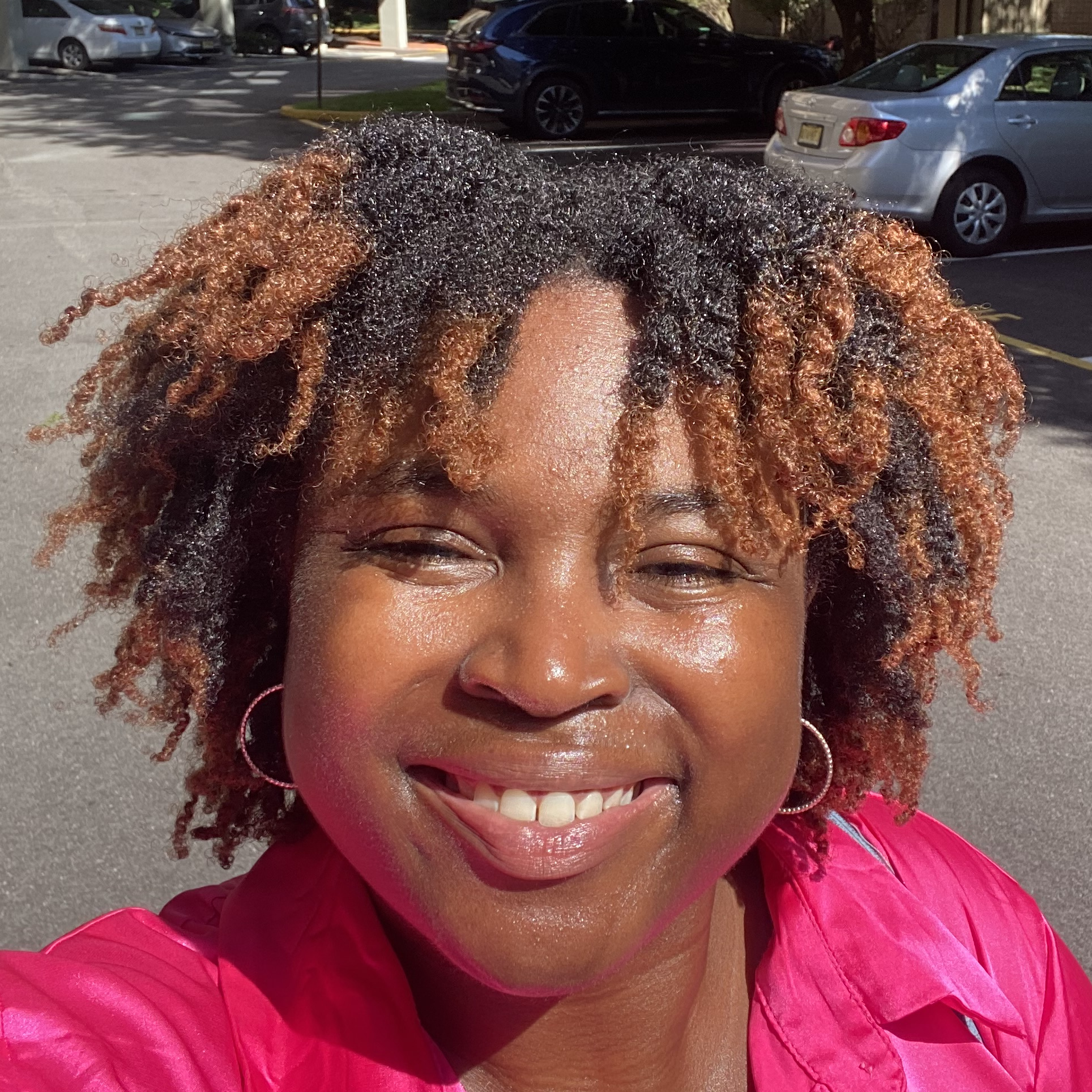
Nyla Howell is a graduate student at Rutgers University New Brunswick working towards a PhD in Geography with a research focus on Black communities, disasters, and climate adaptation. She is currently working as an intern at Green The Church and is passionate about combining her research interest with disaster preparedness practice to promote equitable preparedness and resilience in Black communities.
