Solar for Churches: Myths, Money, and Mission (How Churches Can Lead the Clean Energy Future)
Aug 12, 2026This is part 2 in our knowledge resource series, written to help churches answer the Revivalist call to care for creation. You can visit https://www.greenthechurch.org/gtcred for more information.
Solar is the new normal, and your church should seriously consider it.
When the topic comes up, though, we often hear the same five concerns. Let’s address them, with real numbers and real stories.
MYTH #1: Solar is Too Expensive for a Nonprofit
FALSE. Here’s why:
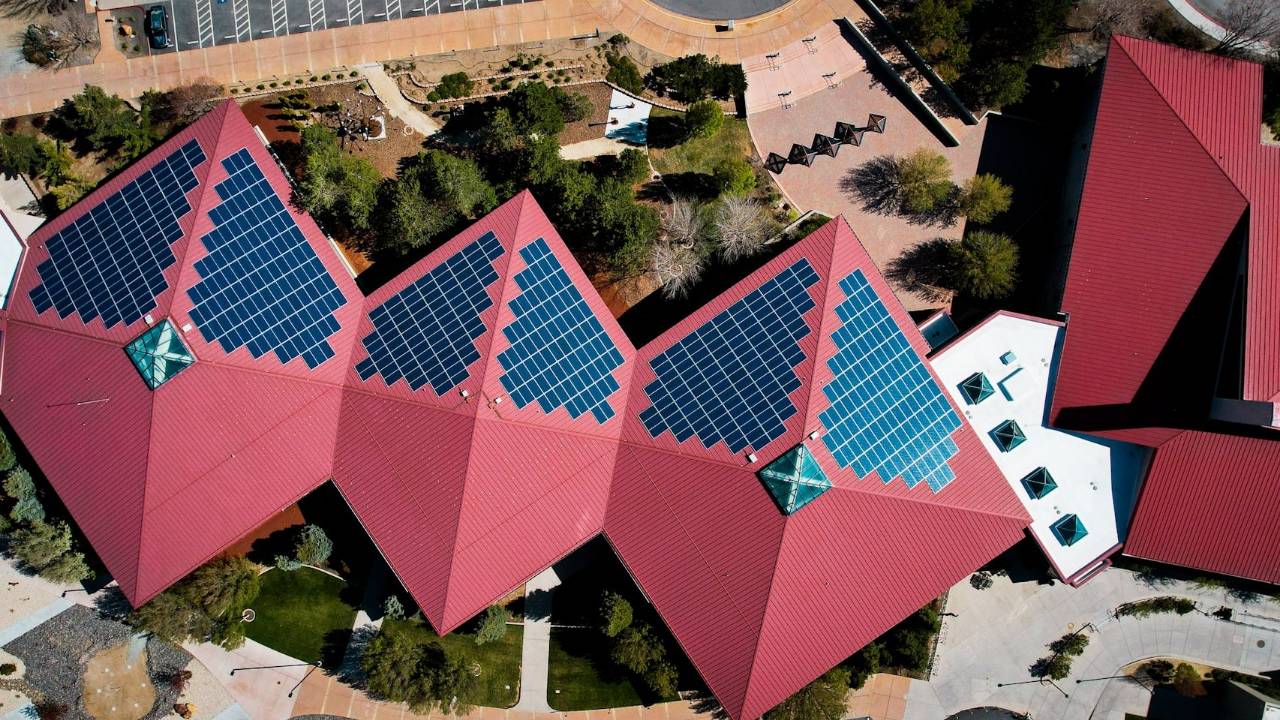
The cost of solar has dropped 70% since 2010. A typical church system costs $40,000 to $80,000 before incentives. After state-level clean energy tax credits (churches can qualify for 25% to 30%), you’re looking at $28,000 to $56,000. Many churches finance this over 10 years at $250 to $500/month — less than what they currently spend on electricity.
Better: your utility savings pay off the system faster. If you’re saving $4,000 to $6,000 per year in electricity (typical), the system pays for itself in 7 to 10 years. Then, you can enjoy 15+ years of low-cost (or free!) electricity.
Even better: if you add an EV charging hub co-developed with GTC RED, the charger revenue (up to $400,000+ annually for organizations in areas with high demand and six to eight chargers, with 80% going to your church) subsidizes and accelerates your solar payoff. Some churches see a full return on their investment in just 3 to 4 years.
MYTH #2: Solar is Complicated and We Don’t Have Technical Expertise
FALSE. Here’s what actually happens:
You hire a professional solar installer. They design the system, get permits and install panels. They handle all interconnection paperwork with your utility. Your job: approve the design and sign documents. That’s it.
Once installed, solar requires minimal maintenance. Panels are cleaned 1 to 2 times per year (rain does most of the work). You monitor production through a phone app. If there’s a problem, you call your installer. Most systems come with 25-year warranties.
The technical knowledge you need? Your energy audit already gave it to you. Your auditor told you if your roof is suitable, what direction it faces, what system size makes sense, and what annual production you can expect. Everything else is professional execution.
MYTH #3: Solar Only Works in Sunny Places
FALSE. Here’s the real story:
Modern panels work in indirect sunlight. Cloudy days produce 20 to 30% of sunny day output.
Germany and Denmark are two of the cloudiest regions in Europe, and they are global solar leaders. California is sunny, yes. But Massachusetts, New York, and Illinois all have thriving solar industries.
When it comes to energy generation, what matters is total annual sunlight exposure and system size. An energy audit measures this. If your audit said solar is viable, that means your expected energy output is within the range to result in a reasonable payback period. Regional weather data is built into those calculations.
MYTH #4: This is a Fringe Environmental Issue, Not a Core Mission
FALSE. This is deeply spiritual work.
Genesis 2:15 calls us to “tend and keep” creation. Caring for creation and caring for community are the same calling. Low-income neighborhoods suffer disproportionate pollution from power plants and traffic. Building solar capacity in your community reduces that burden.
Keep in mind that, after Hurricane Katrina, churches without backup power couldn’t open their doors. They couldn’t serve as shelters, resource centers, or places of hope. After the Texas Winter Storm in 2021, churches with solar and battery storage were the only warm, lit buildings in entire neighborhoods. They saved lives.
Solar and battery backup isn’t environmentalism. It’s prophetic preparation, saying: “We will be here. We will be powered. We will serve.”
MYTH #5: The Inflation Reduction Act Is Gone, So There’s No Financial Help Anymore
PARTIALLY TRUE, but incomplete.
Here’s what’s still available:
- Yes, the federal Investment Tax Credit under the IRA has expired. But state-level incentives remain robust. Massachusetts offers 15% tax credits. New York has $5 million in annual solar grants for nonprofits. California’s Solar Initiative continues statewide support. Illinois, New Jersey, and Pennsylvania all have active clean energy incentive programs.
- Your utility may offer rebates for renewable energy systems (check with them).
- If you add an EV charging hub, that revenue is real incentive. $400,000+ annually is not a rebate. It’s a business model. 80% goes to your church.
Bottom line: don’t let the IRA incentives' expiration fool you. State programs are alive, and energy savings are real. EV charger revenue can be substantial. The financial case for solar is still strong.
Your Solar Pathway: What Happens Next
If you’re ready to explore solar, here’s the path:
- Step 1: Energy Audit. If you haven’t scheduled, you can give us a call now at (510) 369-3541.
- Step 2: Solar Feasibility Study. Based on your audit, a solar engineer designs a system for your specific roof, weather, and energy needs. This design shows exactly what you’ll produce, what it’ll cost, and what you’ll save.
- Step 3: Get Financing in Place. Loans, leases, Power Purchase Agreements (PPAs), or cash purchase. Different churches have different comfort levels. We help you find the model that works.
- Step 4: Permits & Interconnection. Your installer handles this. You’re on the sideline.
- Step 5: Installation & Activation. Panels go on the roof. Inverters get installed. You get a monitoring app. You start producing clean power.
- Step 6: Monitor, Celebrate, Expand. Watch your energy bills drop and share savings with your congregation. Plan the next phase (battery backup, EV hub, expanded solar for the community).
The Prophetic Invitation
Solar isn’t a trend for churches. It’s a calling. It’s how you answer the questions: “What does it mean to love creation? What does it mean to serve our neighborhood? What does it mean to be prepared?”
After Katrina, we learned that churches without preparation become irrelevant in the crisis. After COVID, we learned that community institutions without resilience can fail to provide the needed support when society stumbles. After the winter storms of 2021 in Texas, we learned that renewable energy plus battery backup can literally be the difference between survival and suffering.
Your church doesn’t have to choose between stewardship and sustainability. Solar is both. It honors creation and reduces the pollution that harms your most vulnerable neighbors. It makes your church independent while generating revenue that funds your mission. It prepares you to be a beacon when everything else goes dark.
Be the spark. Power the change.
An energy audit is the entry point for every church we work with. It all starts with a quick inspection. Call (510) 369-3541 or visit https://www.greenthechurch.org/gtc-red-form to schedule one for your facility.
