The Ground Beneath Us: What Black Soil Theology Teaches Us About Who We Are
Jun 01, 2026By Rev. Dr. Ambrose F. Carroll, Sr.
There is a story we don't tell enough.
Not the story of enslavement — we've carried that weight long enough to know it by heart. I'm talking about the story inside that story. The one about what kept our ancestors alive. Because if you look close enough, you'll find that one of the things that sustained them — one of the things that gave them strength when the world had decided their bodies were tools and their spirits were expendable — was the soil.
Their hands weren't in the dirt. Their hands were in the soil. And there is a difference.
Dirt is what you brush off. Soil is what grows things.
A Theology Written in the Ground
I've been thinking a lot about what Pastor Mike Smith of McGee Avenue Baptist Church calls "Black soil theology." He paints this scene — Cain and Abel — and he reminds us of what God says after the murder: "What has thou done? The voice of thy brother's blood crieth unto me from the ground." Genesis 4:10
Let that sit with you.
The blood. The ground. The voice of God. All three bound together in one sacred moment. There is a symbiotic relationship between the blood that flows through us, the ground we stand on, and the God who made both. It is not metaphor. It is theology. It is ecology. It is truth.
Genesis 2:15 tells us that God placed the human being in the garden to tend and keep it. Not to dominate it. Not to extract from it. To tend it. To keep it. This was the original mandate — and it was given before the fall, before the flood, before Pharaoh, before any of the catastrophes that shaped our people's story. The call to care for creation is older than our suffering. It may be the oldest calling we have.
What We Lost When We Left the Land
Here's what I believe: we were moved away from the agricultural base. We were pushed into urban environments. And in that movement — necessary as it sometimes was — we forgot some things.
We forgot that, most times in nature, the sun is something that sustains rather than drains. The sun feeds all of us. Science confirms what our grandmothers practiced: Vitamin D doesn't come primarily from a tablet. It comes from being outside, in the light, in the warmth. Somebody said that one of the reasons enslaved people survived the unsurvivable is because they spent inexhaustible time with their hands in life-giving soil. They were grounded — literally — in a way that helped them endure.
We forgot that a seed knows what to do. You plant it, you tend it, and the ground does what God designed it to do. Our grandmothers knew this without needing to Google it. They knew that you eat watermelon on the porch — not inside, not under air conditioning — outside, in the air, hydrated by the fruit and the breeze together.
We forgot that everything has a purpose. The insects around the plants aren't a problem to be sprayed away — many of them are part of what makes things grow. The chickens in the yard aren't just food — they're pest control, they're balance, they're part of an ecosystem that holds itself together when we let it. Everything God made has a reason. We just stopped paying attention.
And we forgot — perhaps most dangerously — that this disconnection was taught to us.
A Theology That Divided Us
I want to say something carefully, because I love the church and I love what the church has given us. But I also believe the church must be honest about what it got wrong.
There is a strand of theology that told us this world isn't our home. And while that truth was meant to give hope to people in bondage — to say your suffering here is not all there is — it was also weaponized. If this world isn't my home, why should I tend it? If I'm just passing through, why does it matter what we do to the air, the water, the soil?
Some of us grew up hearing that talking about plants and trees was bordering on witchcraft. That loving the earth was something less than loving God. That the sacred and the natural were separate realms — the sacred being up there, the natural being down here, and never the two should meet.
But Genesis doesn't say that. Genesis says God looked at creation and called it good. Psalm 24 says the earth is the Lord's and everything in it. Romans 8 says all of creation groans for redemption — not just human souls, but the whole created order, waiting for the children of God to step into their role as stewards, healers, restorers.
Green The Church reclaims environmental justice as revival work. We are calling congregations back to the sacred mandate of Genesis 2:15 and the liberation theology the Black Church has always practiced. The climate crisis is not a distraction from the gospel. It is the gospel, applied to the soil beneath our feet.
The Sacred Memory Is Still There
I believe we have what I call sacred memory. Even now, even after generations of urban displacement, even after decades of being told that our worth was in our labor and not our connection to the land — that memory is still alive in us.
You see it when a grandmother sets a table outside in summer for the grandchildren to eat watermelon. You see it when a pastor raises chickens in his backyard and tells his grandchildren, "They feed me, so I feed them." You see it when a young woman from Oakland starts growing medicinal plants, talking to them by name, making medicine from what she tends. You see it when a congregation in West Palm Beach distributes fresh vegetables every Wednesday, saving families fifty to seventy dollars a week on groceries, and calls it ministry — because it is ministry.
We are already doing this work. We just haven't always called it what it is: the unfinished freedom struggle of our time.
From Exodus to Ecology
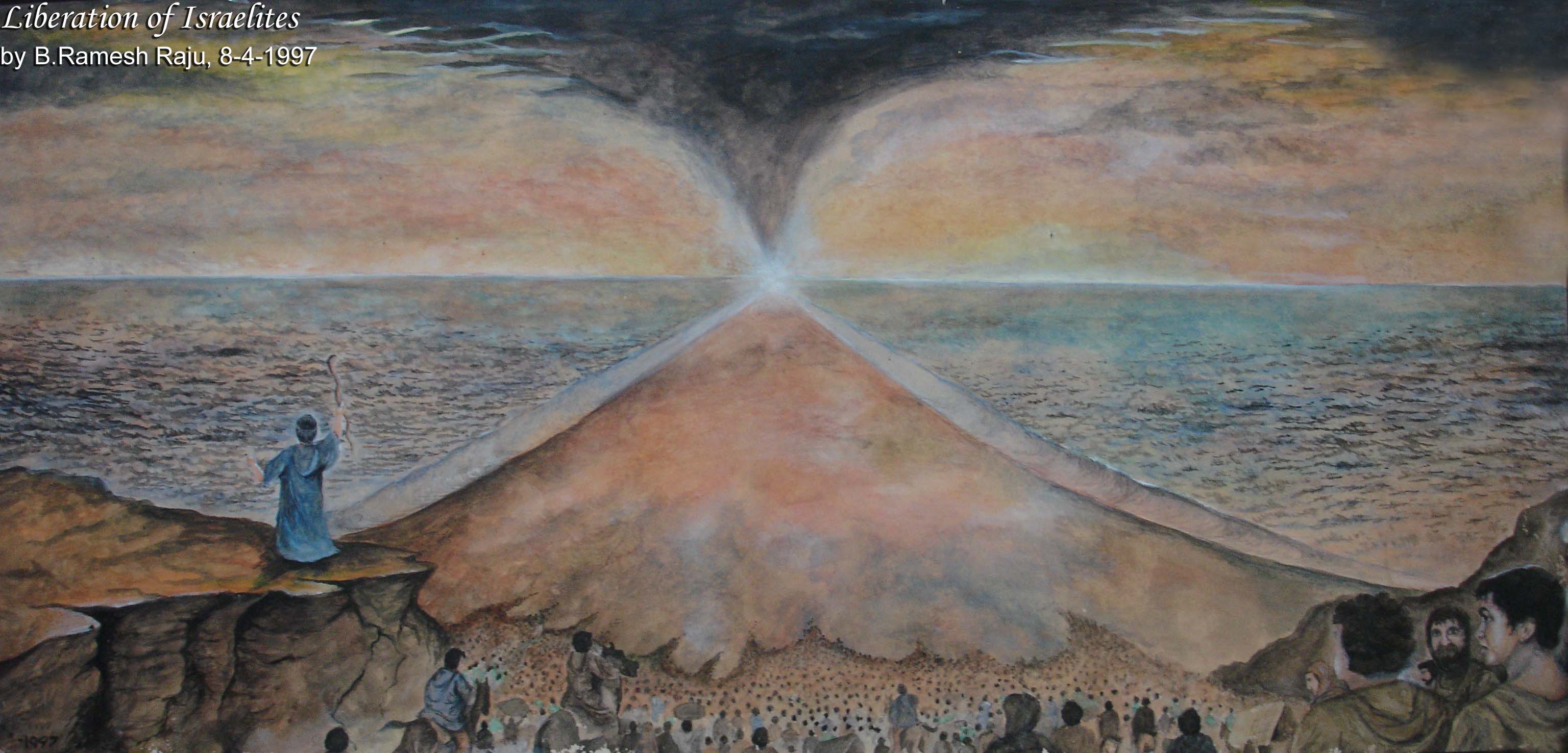
The book of Exodus is the story of a people moving from bondage to liberation. God calls them out of captivity into a land flowing with milk and honey. But here's what we often skip: when they arrive, they have to steward that land. Liberation without stewardship isn't finished. Freedom without tending isn't complete.
The Black church has always known how to survive, organize, and transform. From brush arbor gatherings that sustained enslaved communities, to freedom songs that powered the Civil Rights Movement, we have carried ancestral wisdom about land, stewardship, and collective resilience through every generation. That prophetic tradition now turns its full force toward the climate crisis.
And we are equipped. We are more than equipped.
When the storm hits, the church that has solar panels and battery storage keeps its lights on. The church that has taught its youth to grow food and cook over a fire has a community that can weather the next disruption. The church that runs food distribution every week is already practicing a food sovereignty that most environmental organizations are still trying to theorize.
This is what resilience looks like. This is what stewardship looks like. This is what the earth is asking of us.
A Call to Come Home
Brothers and sisters, we were not made for sidewalks only. We were not created to fear the sun or be strangers to the soil. We were made from the ground — formed from the dust of the earth — and the ground still recognizes us, even when we've forgotten our own name.
The race is on. The climate is changing faster than our policy conversations can catch up. Black communities continue to bear disproportionate burdens — toxic air, poisoned water, food deserts, disasters that follow the fault lines of poverty and race. This is not an abstraction. This is Cancer Alley. This is Flint, Michigan. This is the Fourth of July storm that hit Kerr County Texas just last year, barely found mentioned in the national news after just a few days.
The Black Church is already the resilient hub. We have always been the place people come when everything else fails. Green The Church is not asking you to become something new. We are asking you to remember who you have always been.
Put your hands in the soil. Let the sun do what God designed it to do. Teach your children and your grandchildren that the earth is not just a backdrop to human history — it is a partner in the divine story, created good, worth tending, worth fighting for.
The voice of the earth cries out from the ground. And we — the sons and daughters of those who survived because their hands knew the soil — are the ones equipped to answer.
Be the revival.
Learn more from Rev. Dr. Carroll, and hear the call to serve the land as Revivalists. Preview the first chapter of his new book, Green The Church, available now. Sign up to receive your free Chapter 1 preview when you visit greenthechurch.org/book, and see why others are calling the text "A prophetic blueprint for the future of faith and justice."
